












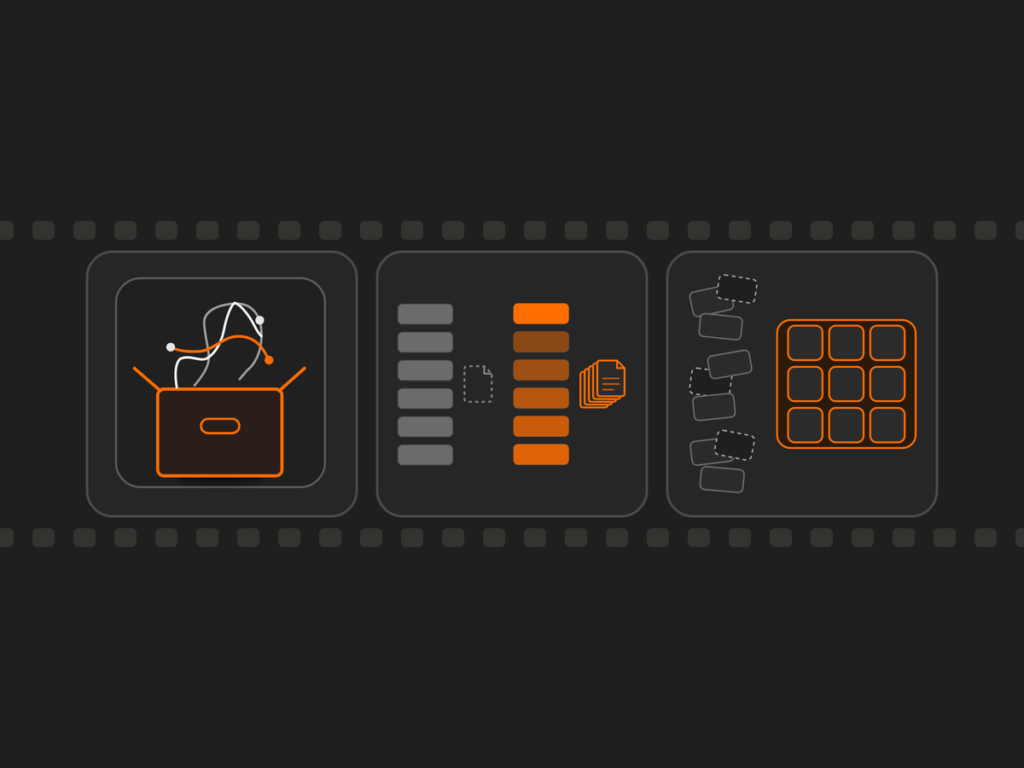
1. Migrating is moving house. Clear out first, or you take the mess with you
The fastest route looks like moving everything over to Fabric one to one: the same sources, the same models, the same connections. But then every workaround comes along for the ride, including that one script nobody dares to touch any more. You end up with the same platform in a new place. The reports stay just as slow and the debates inside the business just as long. The migration is precisely the moment to redesign your data model. If you don’t do it at the start, you never will.
2. Building it yourself is underestimated
The reasoning sounds logical: there’s a data team, so that team can build the platform. But building a platform is not the same as keeping it running afterwards. We saw a data team stay stuck on the basics for months, while the questions from operations and planning piled up. Six months of work. The business was still waiting for its first report. That team wasn’t too small for the work; it was too small to deliver the work and the ambition at the same time.
3. Specialists are scarce. And they move on again
Knowledge of Fabric is still young and scarce. So if you build it yourself, you’re chasing the same people as every other organisation with the same plan. The specialist you bring in will leave one day. What’s left behind is a platform nobody in-house fully understands any more. On top of that, Fabric keeps changing: new features, revised limits on storage and compute, and someone has to keep track of it all. That’s not a project with an end date, but a standing cost you rarely see in the business case.
4. Governance and management belong at the start
Who may see which data, who owns it and how you meet laws and regulations: you settle that before you build, or you never really settle it at all. “We’ll document and secure it later” sounds reasonable, but in practice little comes of it. Governance you bolt on afterwards stays a game of catch-up, and in the meantime you get accidental data leaks, information that goes missing and compliance risks. Growth through acquisitions makes this all the more visible. Every acquisition brings its own accounting package, its own time-tracking system and its own permissions, while the board wants to see the group figures next month.
5. Separate sources stay separate sources
A migration moves your data, but it doesn’t bring it together on its own. Systems that work past each other today will keep doing so after the switch. Unless you bring them together in one model, the fragmentation stays. That fragmentation can arise in several places. Source systems grow for years, until nobody has the full picture any more. On top of that, there are often separate packages for hours, customers and invoicing that were never aligned. The result? Five systems soon produce five different definitions. The management team ends up debating the figures, when the conversation should really be about direction. That’s not a reporting problem, but a foundation problem. How you set up that foundation ultimately decides whether you end up with one shared truth or five different ones.
6. The business doesn’t recognise the figures
You can build a technically flawless model that the business still ignores. Simply because the model doesn’t speak the language of the organisation. Take revenue. If it’s called TBLORDEXT_3 in your model, finance exports the data to Excel and builds its own truth there. That’s why a model in the organisation’s own terms such as revenue, margin, billability isn’t a luxury on top of the migration. It decides whether your platform actually gets used, or quietly gets worked around.
The three questions to answer before you start
- What does the platform cost after go-live? Not just the build, but the maintenance, the updates and the people who keep it current.
- How soon is the first report ready? A migration that only delivers after a year loses its support along the way.
- What happens if the builder leaves? Is the knowledge in people’s heads, or in the product?
Answer these three questions sharply and you take the biggest risks out of the migration before a single euro is spent.
share post