














With the partial postponement of the mandatory Corporate Sustainability Reporting Directive (CSRD) by the EU, the number of reports on ESG (Environmental, Social, and Governance) has fallen sharply.*
This is remarkable. It is precisely those organizations that cleverly integrate ESG criteria into their strategy and daily practices that significantly increase their opportunities for growth. In this article you will read about the main advantages of an active ESG strategy and five concrete steps to successfully implement ESG reporting.

“It is precisely organizations that smartly integrate ESG criteria into their strategy and daily practices that significantly increase their growth opportunities.”
The benefits of an active ESG policy
1. Transparency builds trust
Openness about ESG efforts shows that you are taking responsibility. This increases credibility with customers, suppliers and other stakeholders – even if everything is not yet perfect.
2. Attractive to investors, corporates and governments
More and more investors and governments are including ESG performance in their decisions. Clear reports show that you are forward-looking, managing risks and delivering on market expectations.
3. Strengthens your brand
Consumers expect companies to act on their values. With ESG reporting, you demonstrate concretely – not just tell them – that you are making a positive impact.
4. Understanding both risks and opportunities
Preparing an ESG report often reveals blind spots and new opportunities, such as cost savings, innovation opportunities or risks that require immediate attention.
5. Competitive advantage
Transparent ESG efforts attract employees, customers and partners who share the same values. That strengthens your reputation and increases loyalty.
6. Increasing obligations
Regulation around ESG is expanding rapidly. Depending on your sector and region, ESG reporting may already be mandatory now – or soon.
Five steps to valuable ESG reporting
The basis is insight: where is your organization now and what ambition do you want to pursue? Tools such as the
Dual Materiality Assessment (DMA), Theory of Change (ToC) and Five Dimensions of Impact (IMP) help to sharply define ESG goals.
1. Concretize ESG goals.
Use sector standards or choose relevant Sustainable Development Goals (SDGs). These frameworks help translate ambitions into recognizable and measurable goals.
2. Define KPIs.
The European Sustainability Reporting Standards (ESRS) count more than 1,200 data points – practically unworkable. Keep it clear and select a limited number of KPIs (e.g. CO₂, water, waste, social impact). Check with stakeholders that these are clear and measurable.
3. Integrate sustainability into your management reporting
Develop ESG reports in your BI environment. Determine what data is available and where information is missing.
4. Bring ESG data in order
Excel is not a sustainable solution. Choose a data platform that ensures data quality and security, and supports data automation and AI tools, such as CoPilot.
5. Make your impact visible
Storytelling is essential. Use interactive dashboards, infographics and case studies to bring ESG data to life. Publish reports not only in the annual report, but also on your website and in regular business updates. That way you create dialogue and engagement.
Accelerate your ESG journey with Beemind’s data foundation
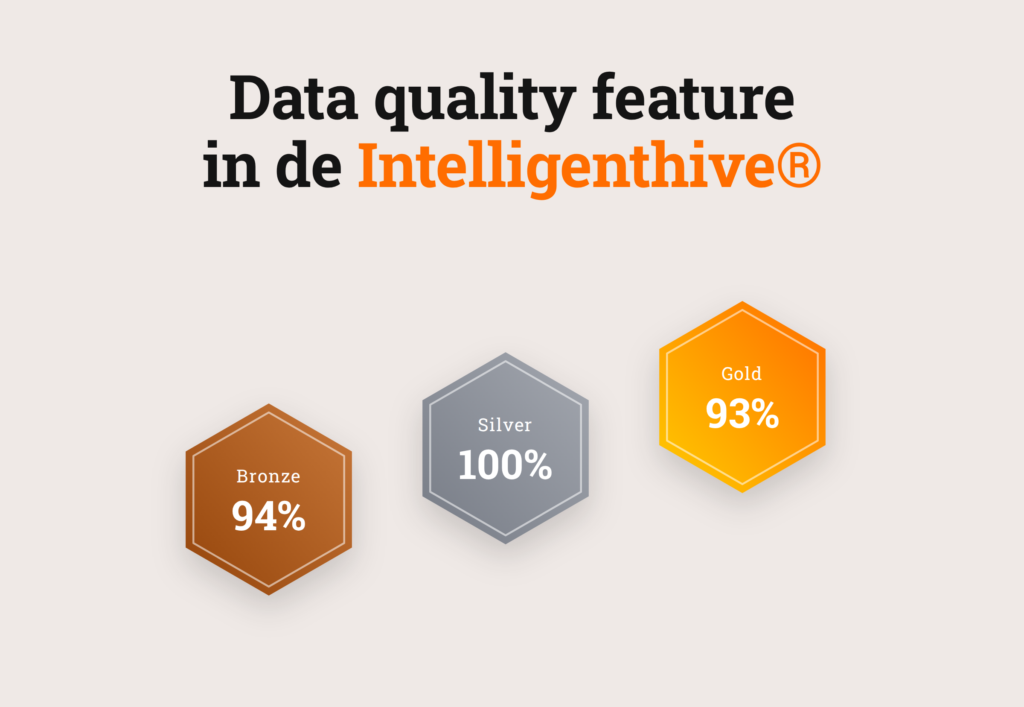
With the Intelligenthive® , Beeminds offers a solid data foundation to quickly arrive at operational ESG reports. Together with specialized ESG software partners, we deliver an end-to-end ESG solution:
- ESG data model with industry standards and best practices
- integration with more than 100 data sources
- reporting templates for scope 1, 2 and 3 reporting
*Source:
The Conference Board

share post