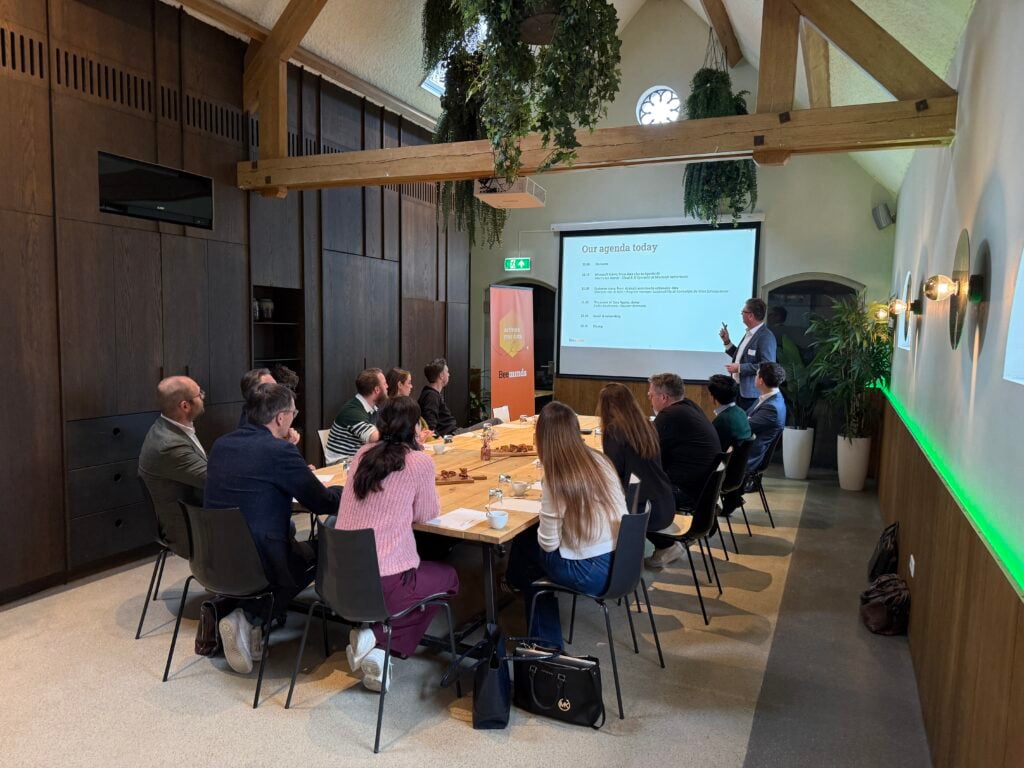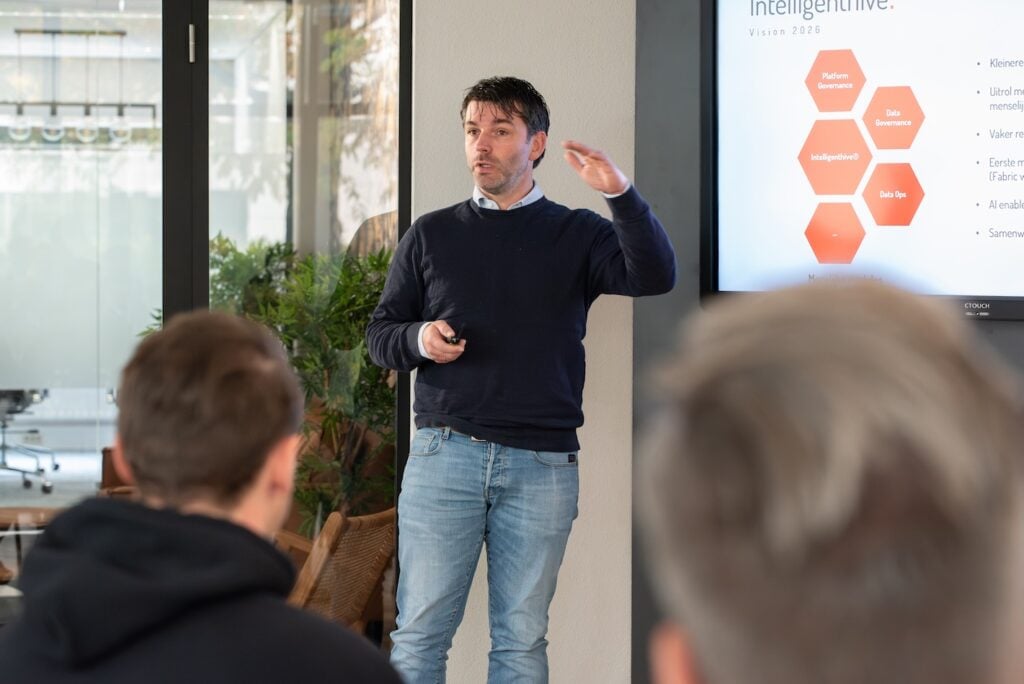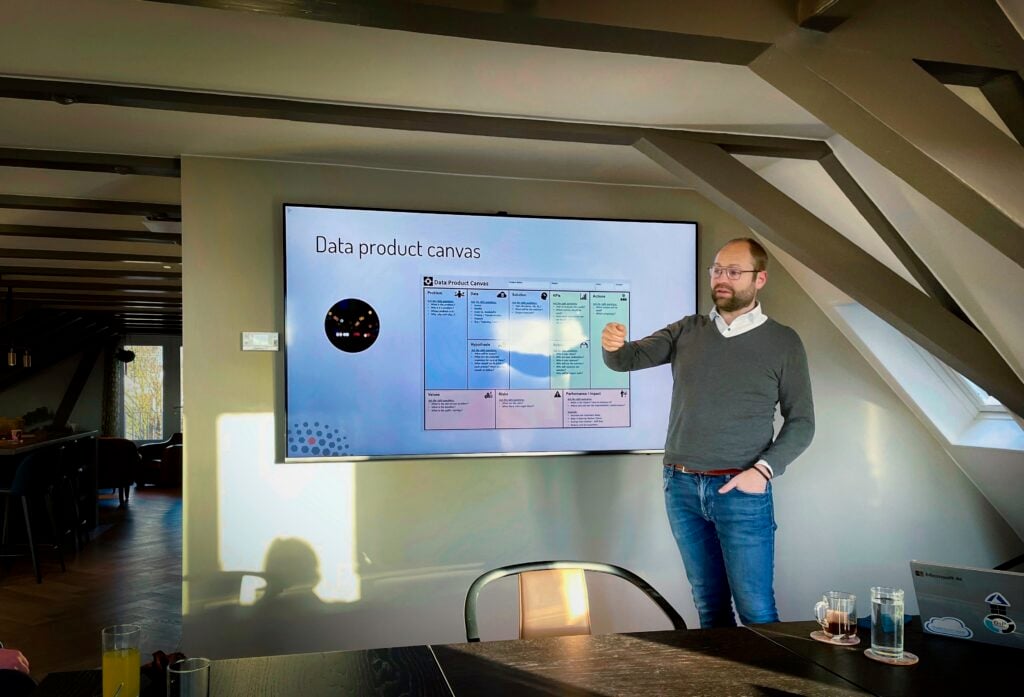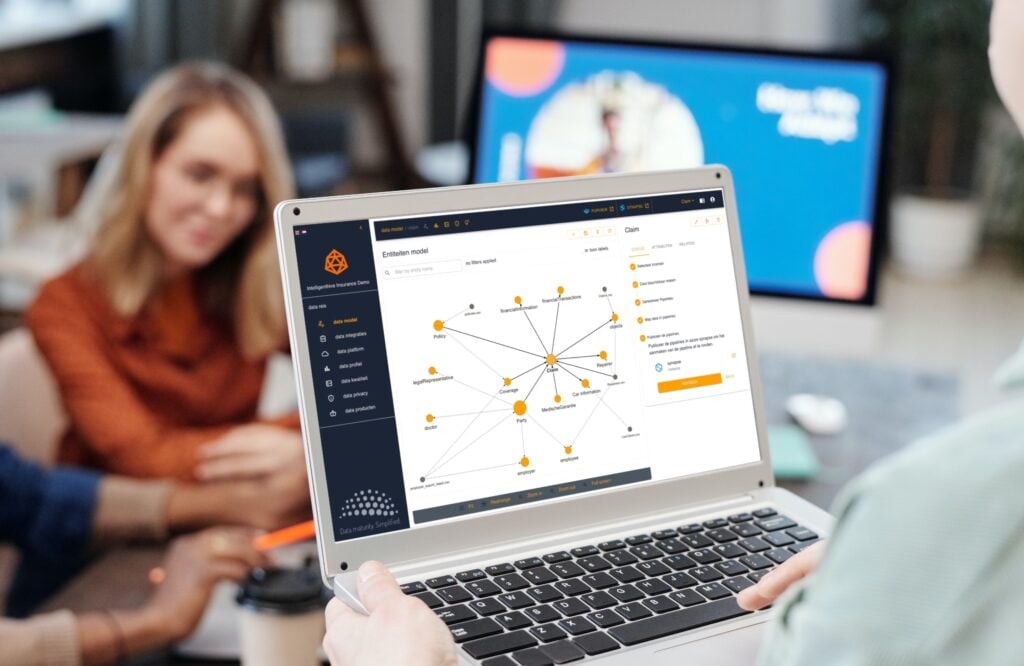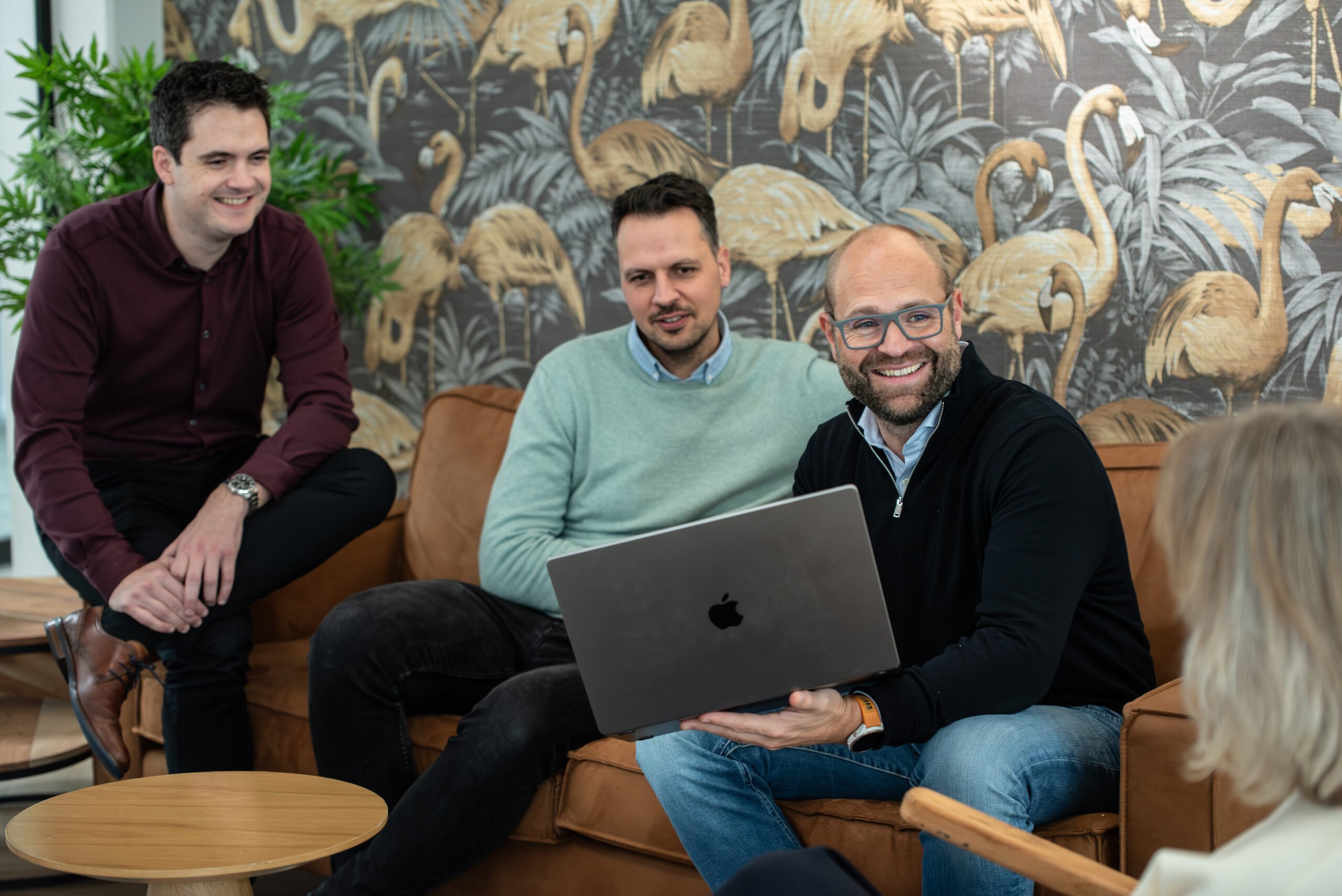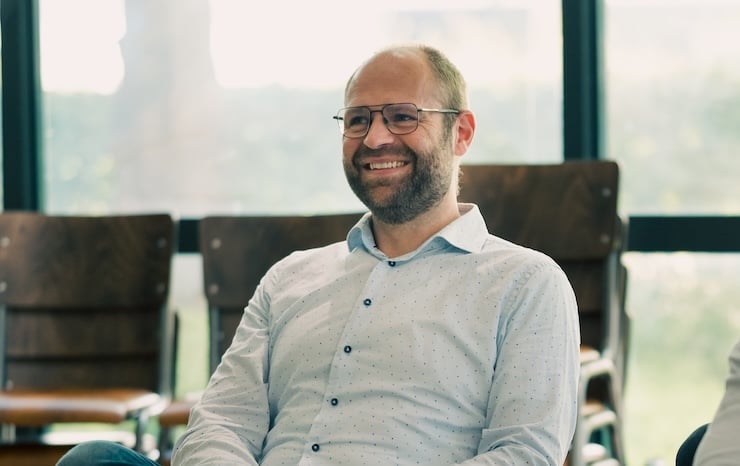





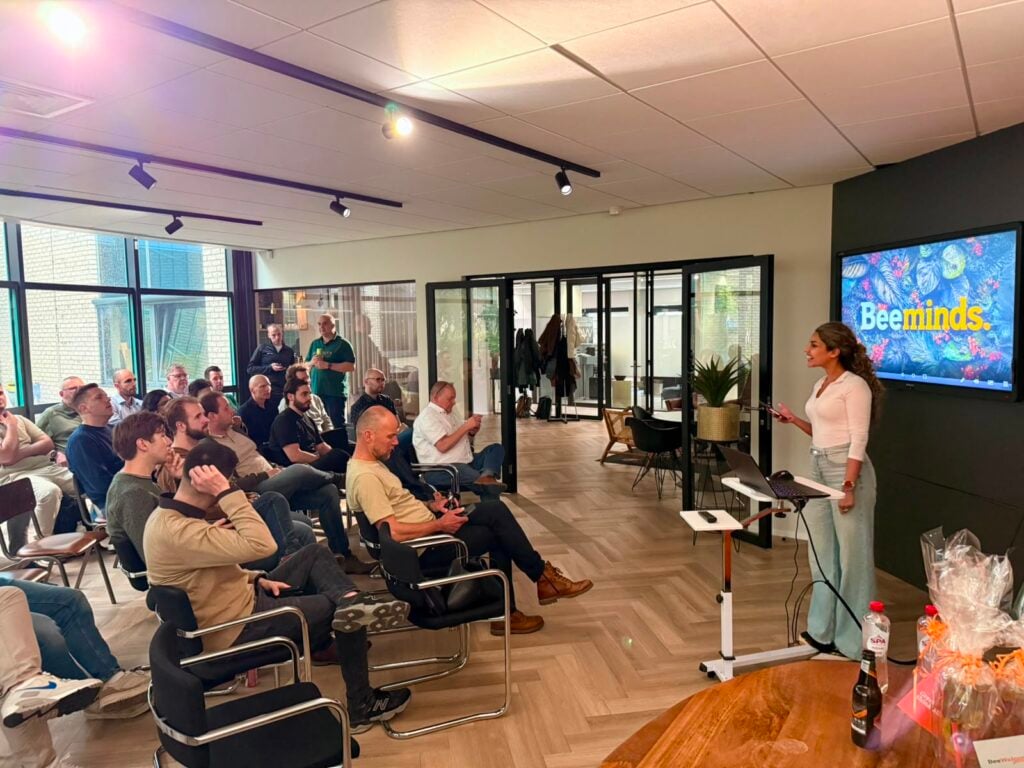
The event focused on practical applications. Rather than just discussing what’s possible with Fabric, the main goal was to demonstrate how organizations are using it today. Through sessions led by Beeminds and Microsoft, participants were given concrete examples of how Fabric supports data platforms, documentation, data governance, and data integration.
Documentation as part of your daily data work
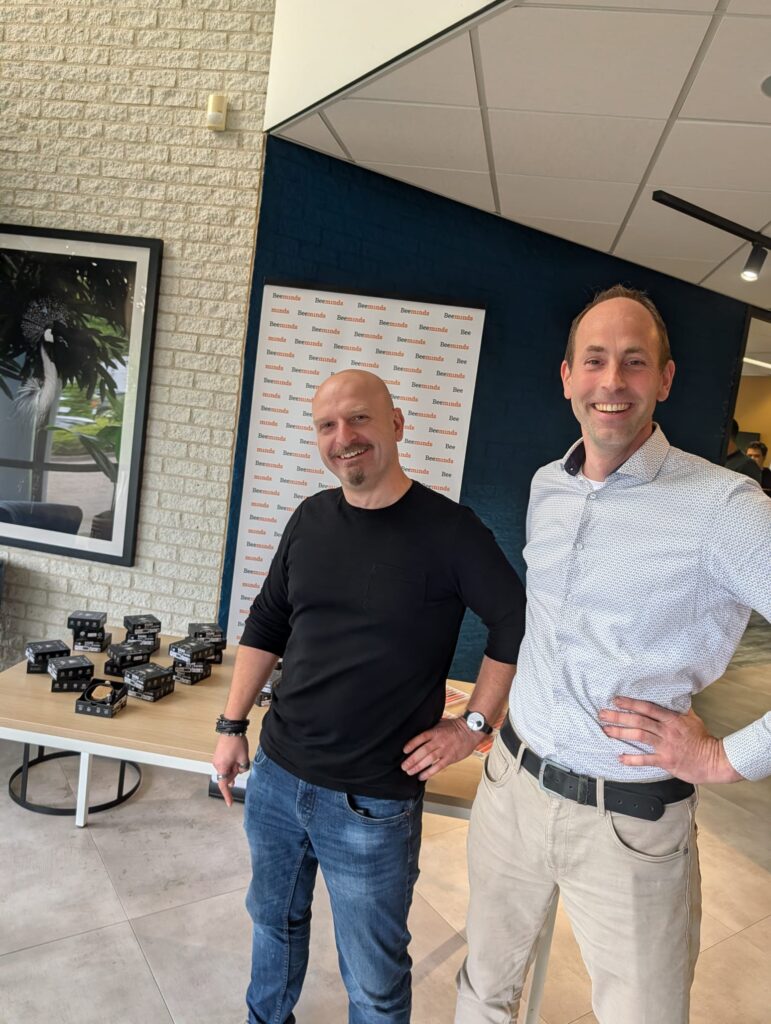
Our colleagues Marco Hansma, Data Architect & Head of Data Engineering, and Michael Wandzik, AI & Data Engineer, led the session on Fabric automated documentation.
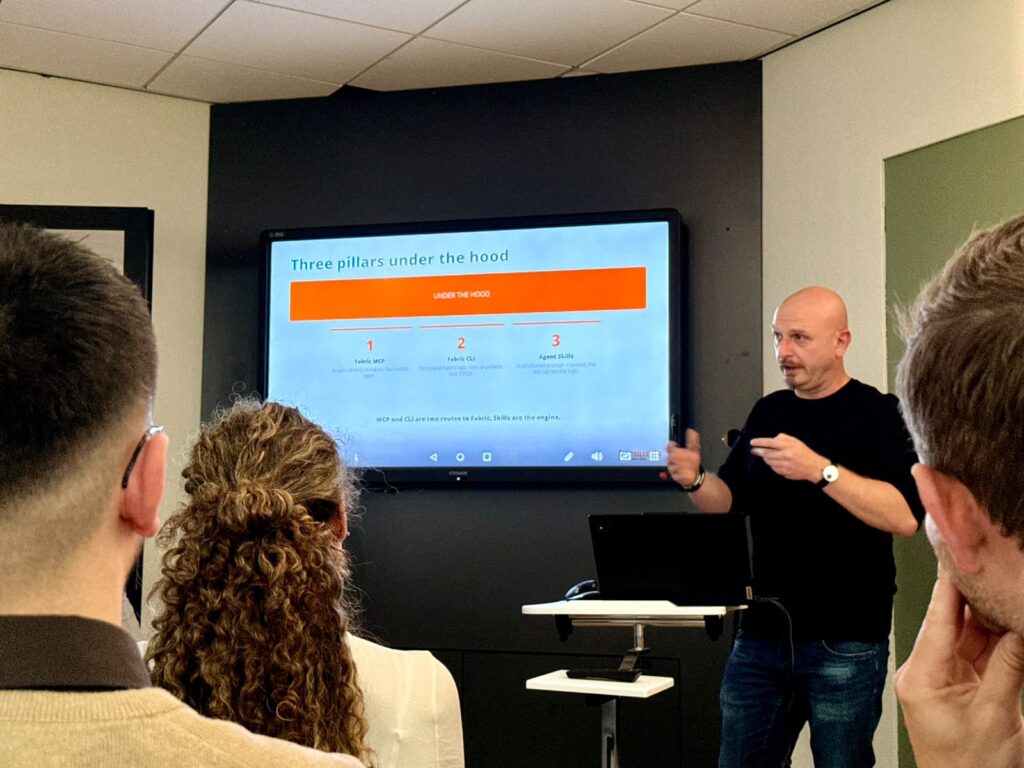
In it, they addressed a problem familiar to many data and BI teams: documentation is important, but in practice it often gets neglected. It takes time, quickly becomes outdated, and feels like extra paperwork to many teams. Yet good documentation is precisely what’s needed to make data understandable, reusable, and reliable. Marco and Michael demonstrated how you can approach this differently with Microsoft Fabric and AI. Not by adding yet another process, but by generating documentation automatically from day-to-day data processing.
During a live demo, they demonstrated how technical documentation, functional explanations, lineage context, and data definitions can be automatically generated and kept up to date. As a result, documentation is no longer an afterthought, but a natural part of the data platform.
Value for both technology and business
The session demonstrated that automated documentation isn’t just relevant for data engineers or BI specialists. Data architects, analytics engineers, platform teams, and business stakeholders also benefit directly from it. It also became clear that adding context makes your documentation even more comprehensive and valuable.
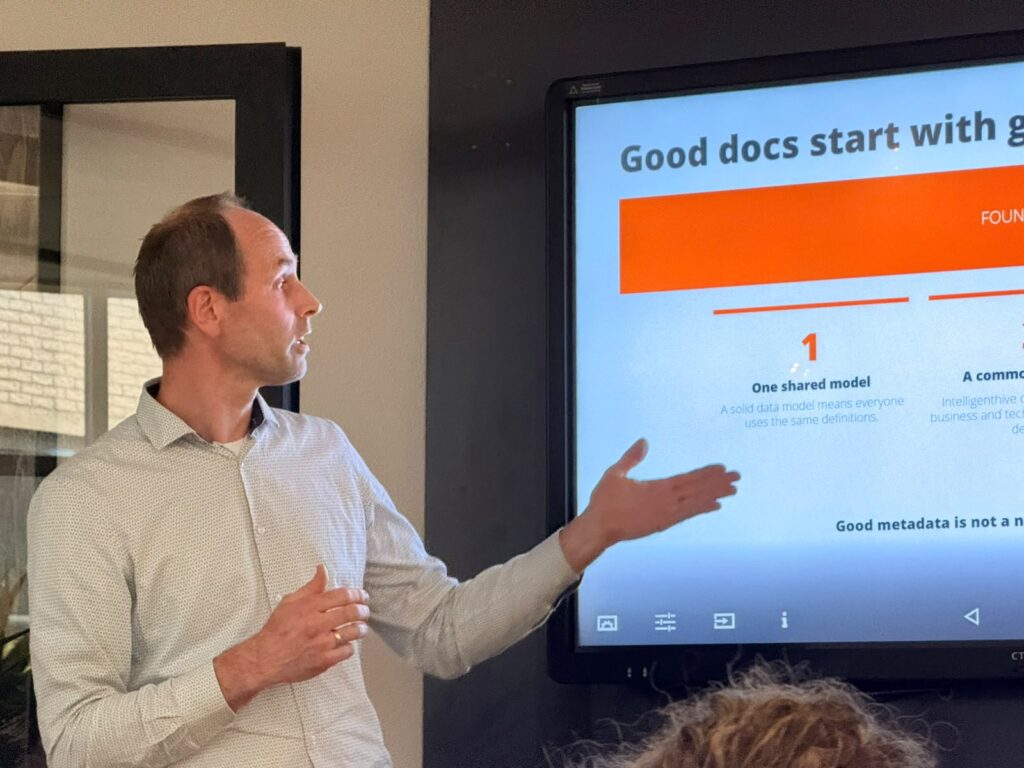
When documentation is readily available, teams can more quickly understand where data comes from, what definitions mean, and how datasets can be used. This facilitates collaboration between technical and business teams, as well as supporting governance, security, and compliance.
Marco and Michael also discussed how to approach this in different environments. From open innovation environments to organizations with strict security and compliance requirements.
Get more out of Fabric Data Factory
In addition to the Beeminds session, Jeroen Luitwieler, Senior Product Manager at Microsoft, gave a session on “How to Get the Most Out of Fabric Data Factory.”
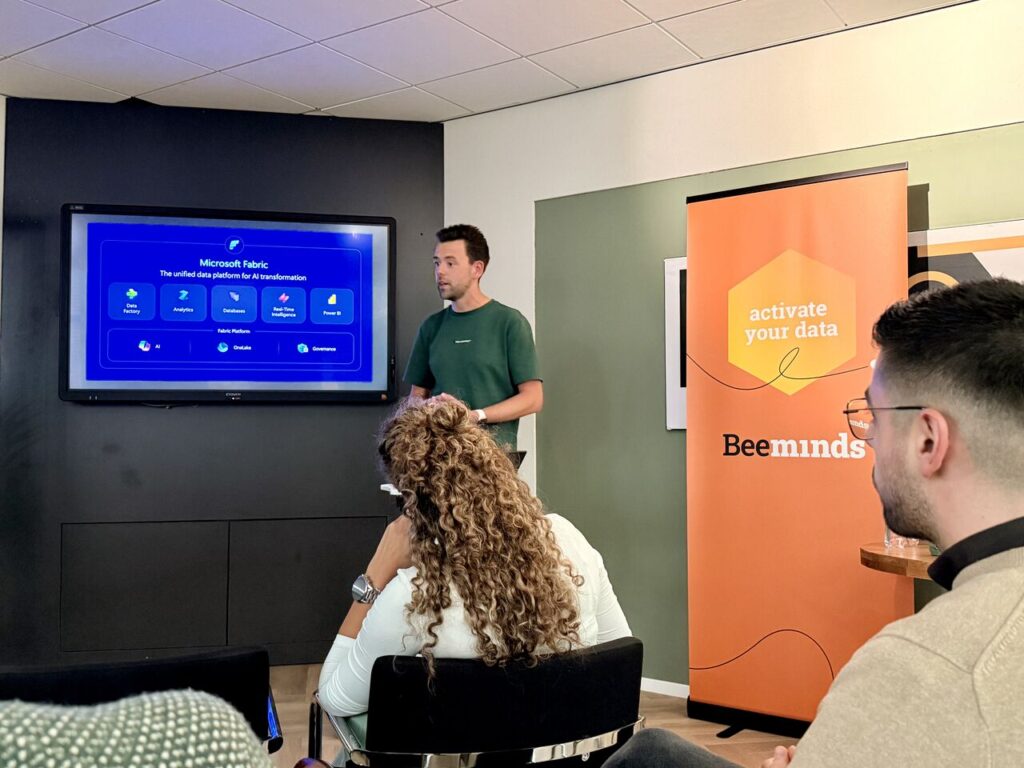
He walked the participants through the capabilities of Fabric Data Factory and how organizations can more intelligently set up data integration, transformations, and pipelines within Microsoft Fabric.
Sharing knowledge with the Fabric community
It was a pleasure for Beeminds to host the Dutch Fabric User Group. The afternoon clearly demonstrated the wealth of knowledge and experience within the Microsoft Fabric community, and how valuable it is to share that with one another. We would like to thank all the speakers, participants, and everyone involved for their contributions to this successful event.
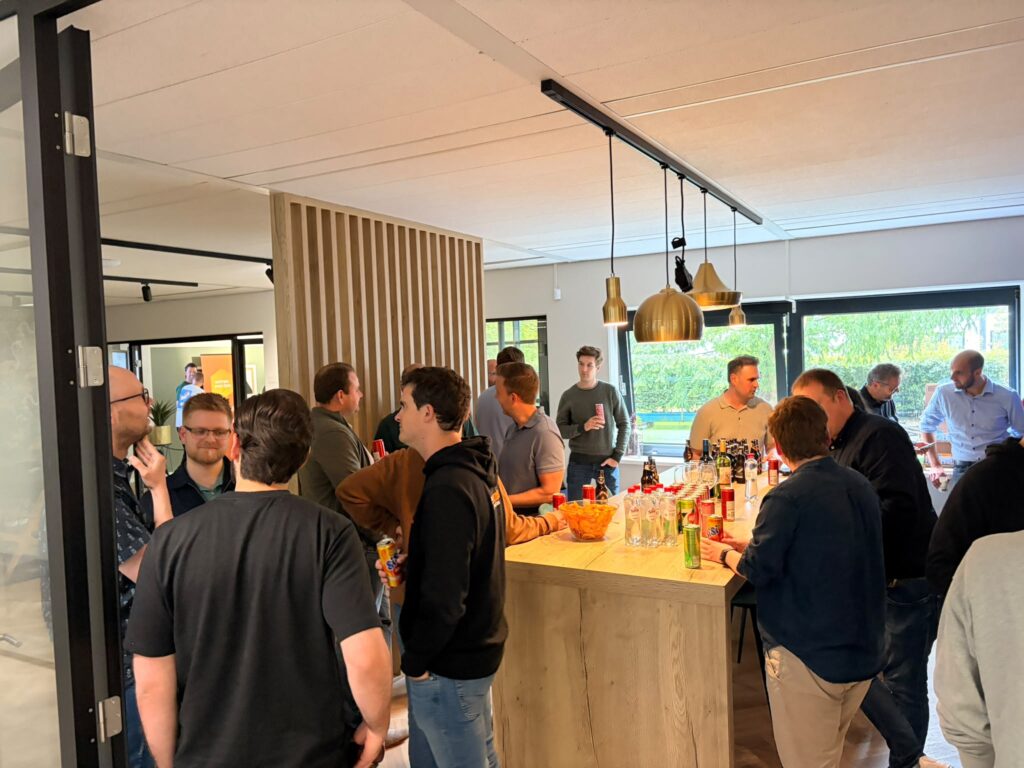
Beeminds looks back on an inspiring afternoon in Naarden, featuring insightful discussions, practical insights, and a strong focus on the role of Microsoft Fabric and AI in modern data platforms.
share post