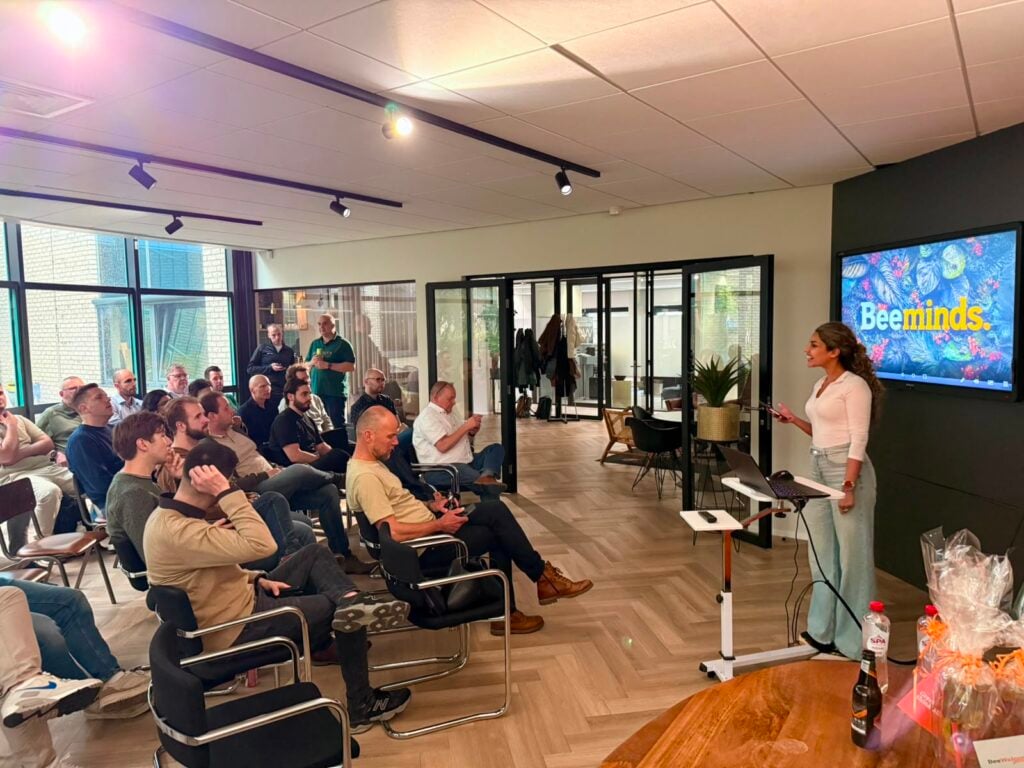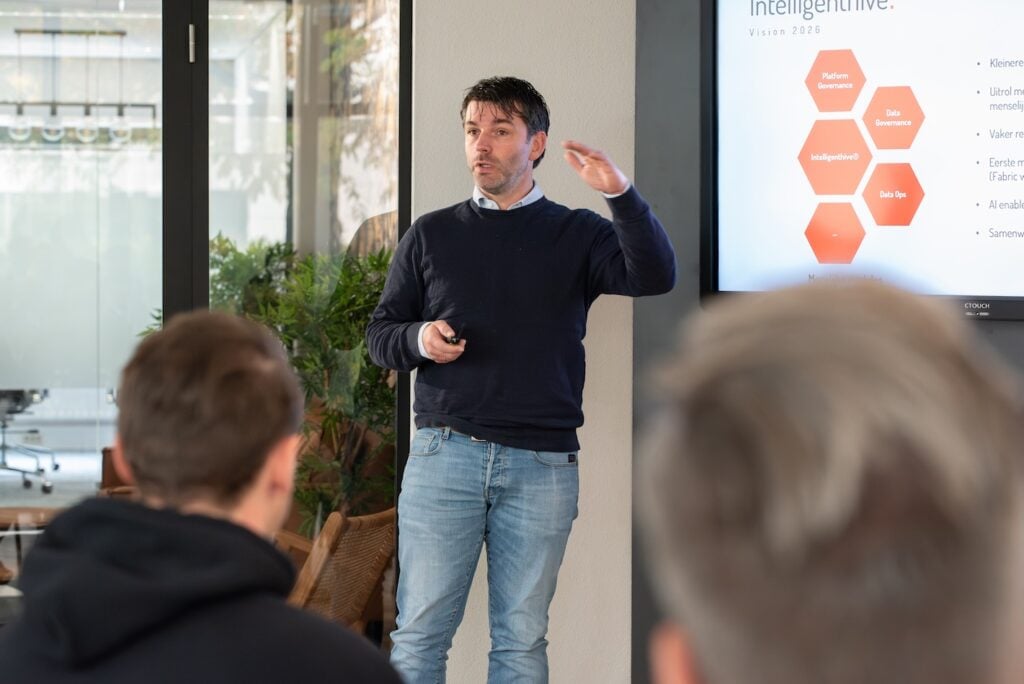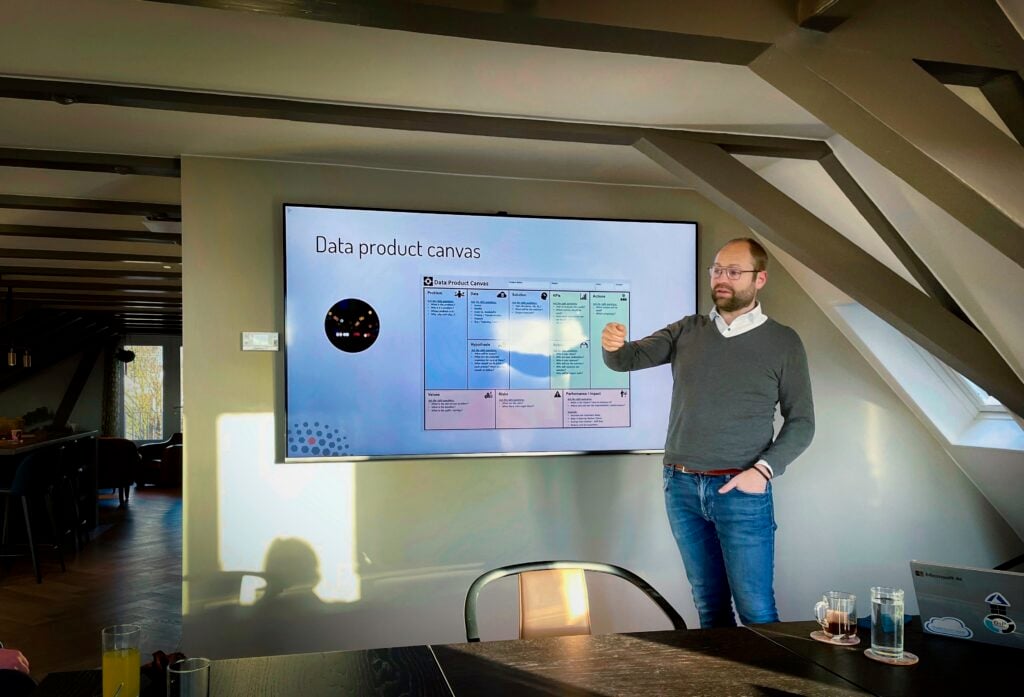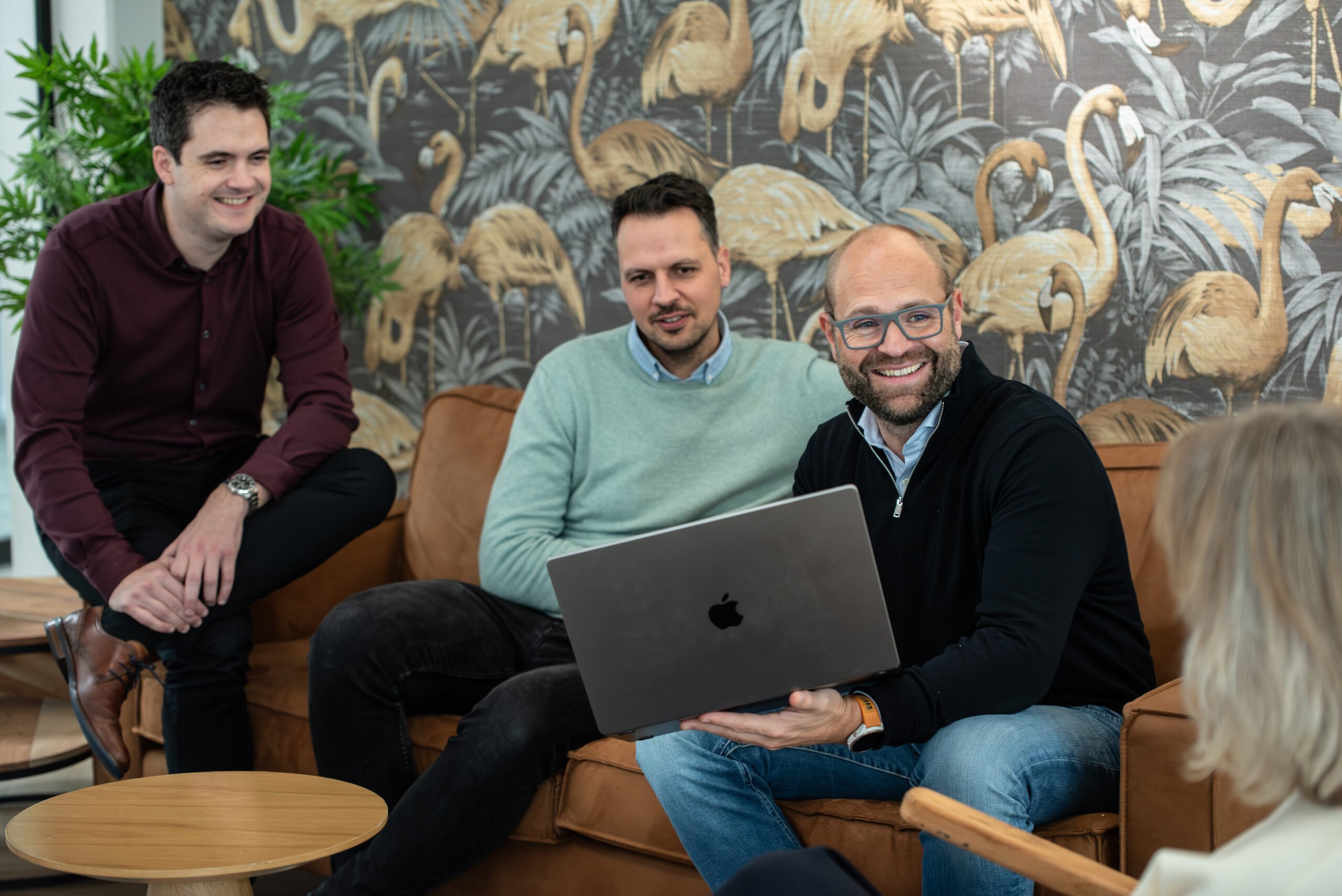














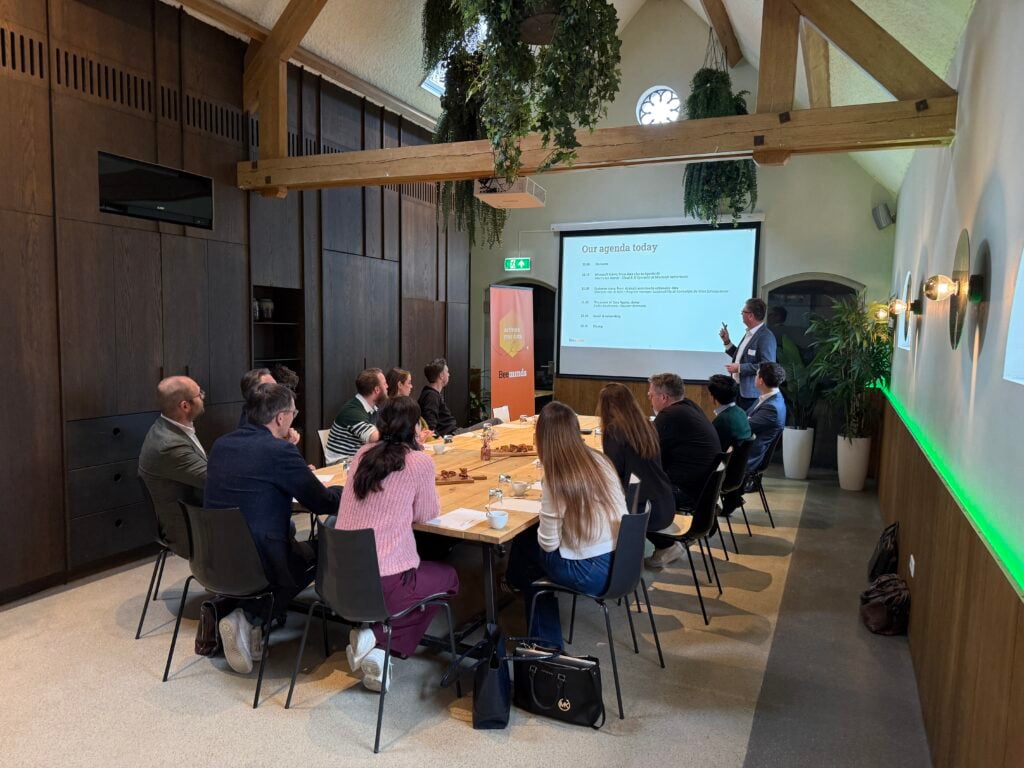
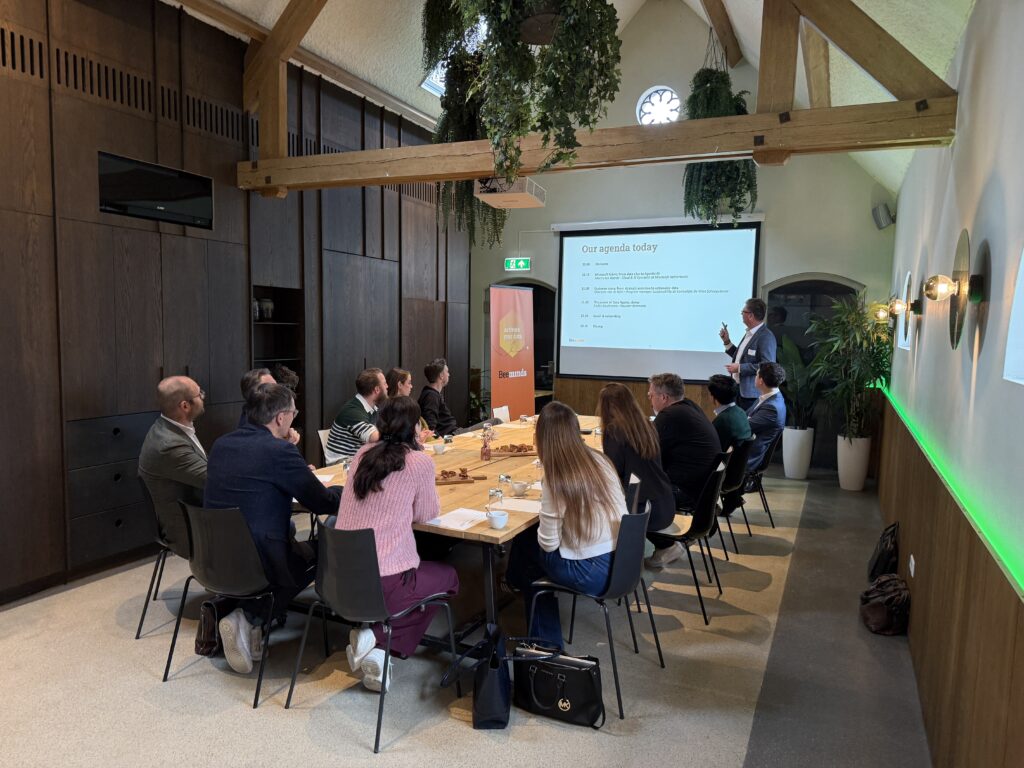
On Thursday, February 5, Beeminds organized an interactive round table session with clients and relations. It was a great day with new insights and inspiration. I give you a short review of the day with the most important take-aways. Want to know more? If so, please feel free to contact me.
The foundation for AI – Microsoft Fabric
Martin ten Voorde of Microsoft outlined the need to modernize the data infrastructure in preparation for the advent of Agentic AI.
- The challenge: Many companies suffer from duplicate data storage, limited interchangeability and security risks. This slows down innovation.
- The solution in Microsoft Fabric:
An all-in-one platform that brings together data engineering, analytics and BI around the OneLake (one source of truth). - The journey: The step to AI does not start with the tool, but with the data. If data quality is low (“garbage in”), AI is sure to lead to hallucinations.
- Real-time business: For organizations, it becomes important to be able to act directly on actual (customer) data. Martin mentioned Flitsmeister as an example of Real-time Intelligence: you want to see data (the speed camera) before you get there, not after.
“The demo with Data Agents based on Fabric looked fantastic. It made me very enthusiastic. Nice to see that Beeminds has a lot of knowledge and expertise and deploys this together with its customers.”
The practical case – ESG reporting
Charlotte van de Kerk of De Vries Scheepsbouw showed how sustainability strategy and data compliance drives them.
- From threat to urgency: Sustainability was once vague, but regulations (CSRD) and climate impact necessitated reliable data.
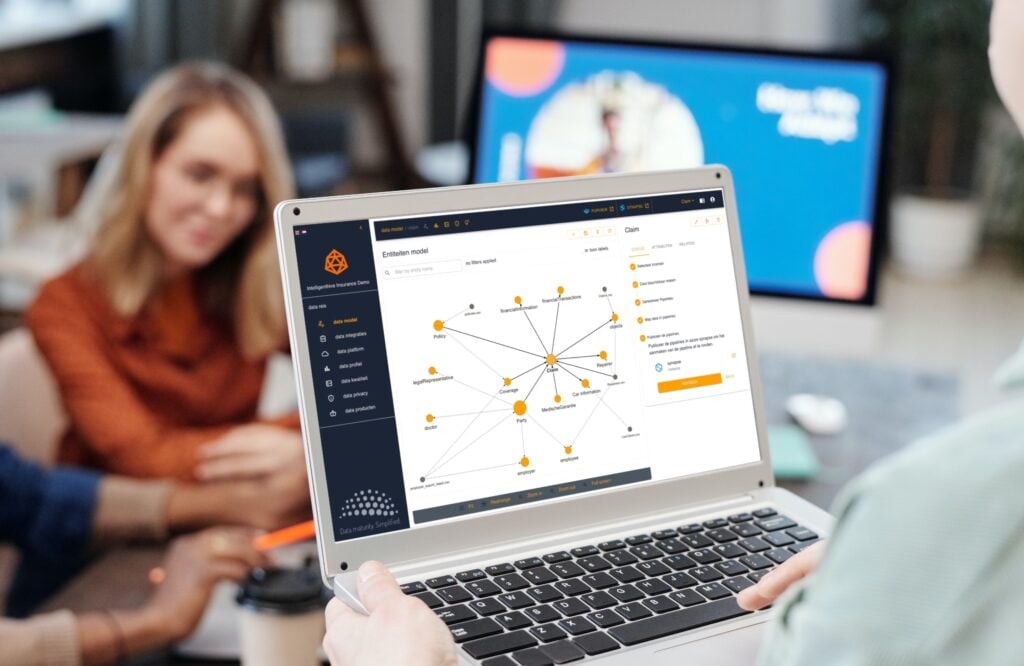
- ESG data foundation with the Intelligenthive®: De Vries built a central data platform to collect ESG data from multiple business units and sources. This data platform feeds external carbon footprint calculation tools and reports back through PowerBI.
- Value: Data has changed from a barrier to an enabler. It now drives R&D choices, such as sourcing more durable steel and aluminum.
The Future – Data agents & context
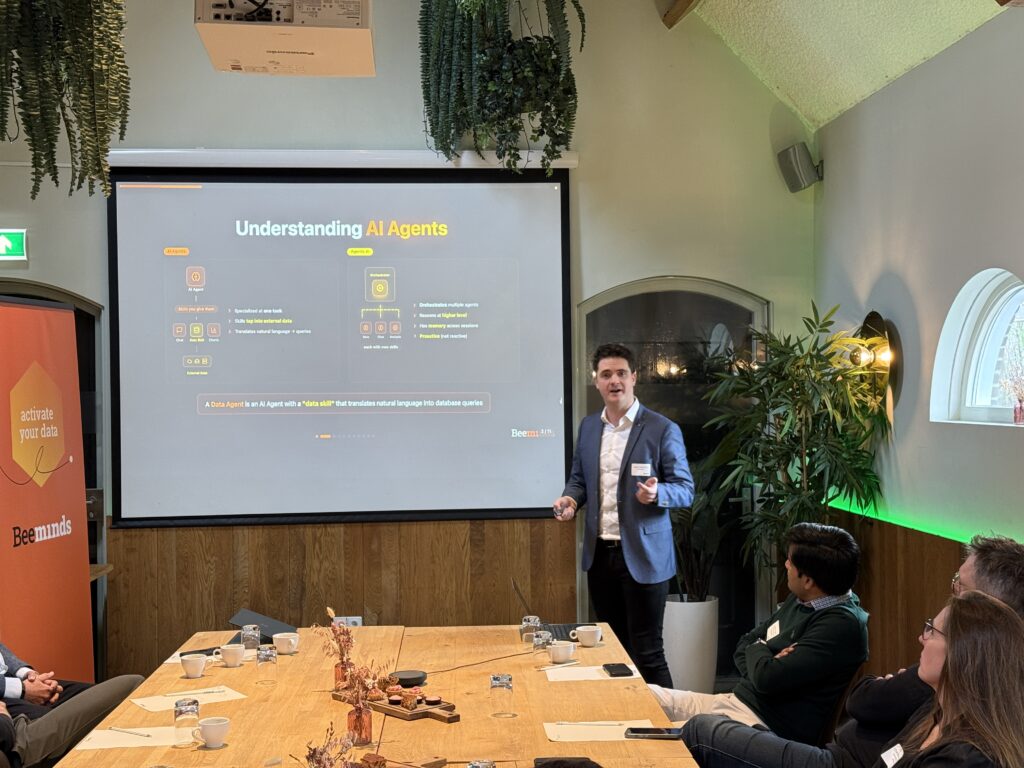
The session on data agents by Stefan Daelemans of Beeminds explored the difference between generic AI and business-specific intelligence.
- AI agent vs. data agent: An AI agent can perform tasks (such as writing), but a data agent has the “skill” to access your specific business data.
- Context is King: An agent without context is like an intern just out of school: he provides an answer, but often incorrectly or superficially. By adding agent instructions and business definitions, you create an “experienced advisor” who thinks with you and understands KPIs.
- Agentic AI: The next step in AI is proactive AI with agents acting independently.
- Example: During a demonstration, the “basic” agent answered that there were 1,336 B2B customers. The “experienced” agent, fed the definition that an active customer must have placed at least two orders, corrected this to 586. This shows the importance of context.
Wrap-up & key action items
During the closing discussion, it was emphasized that the AI technology is already there and readily available. The complexity is not in the technology, but in secure adoption and formulating the right questions and context.
- Centralize your data based on an AI data foundation: Step away from fragmented data silos and start setting up a central data lake (such as within Microsoft Fabric). Without a single version of the truth and good governance (Purview), you will get bogged down in AI hallucinations and insecure data.
- Add context for AI agents: When starting out with AI agents, don’t rely on standard models. Invest time in establishing business rules and definitions (such as within the Intelligenthive®). Feed the AI agent with instructions so it knows the difference between a lead and an active customer, for example.
- Start pragmatically with relevant use cases: Don’t wait for a master plan for the next three years. Start small with a clear use case, such as a sustainability issue, a manual order process, or a specific finance question. That way you let colleagues experience the value of AI-driven business directly.
share post